A Growing Crisis Behind Closed Doors
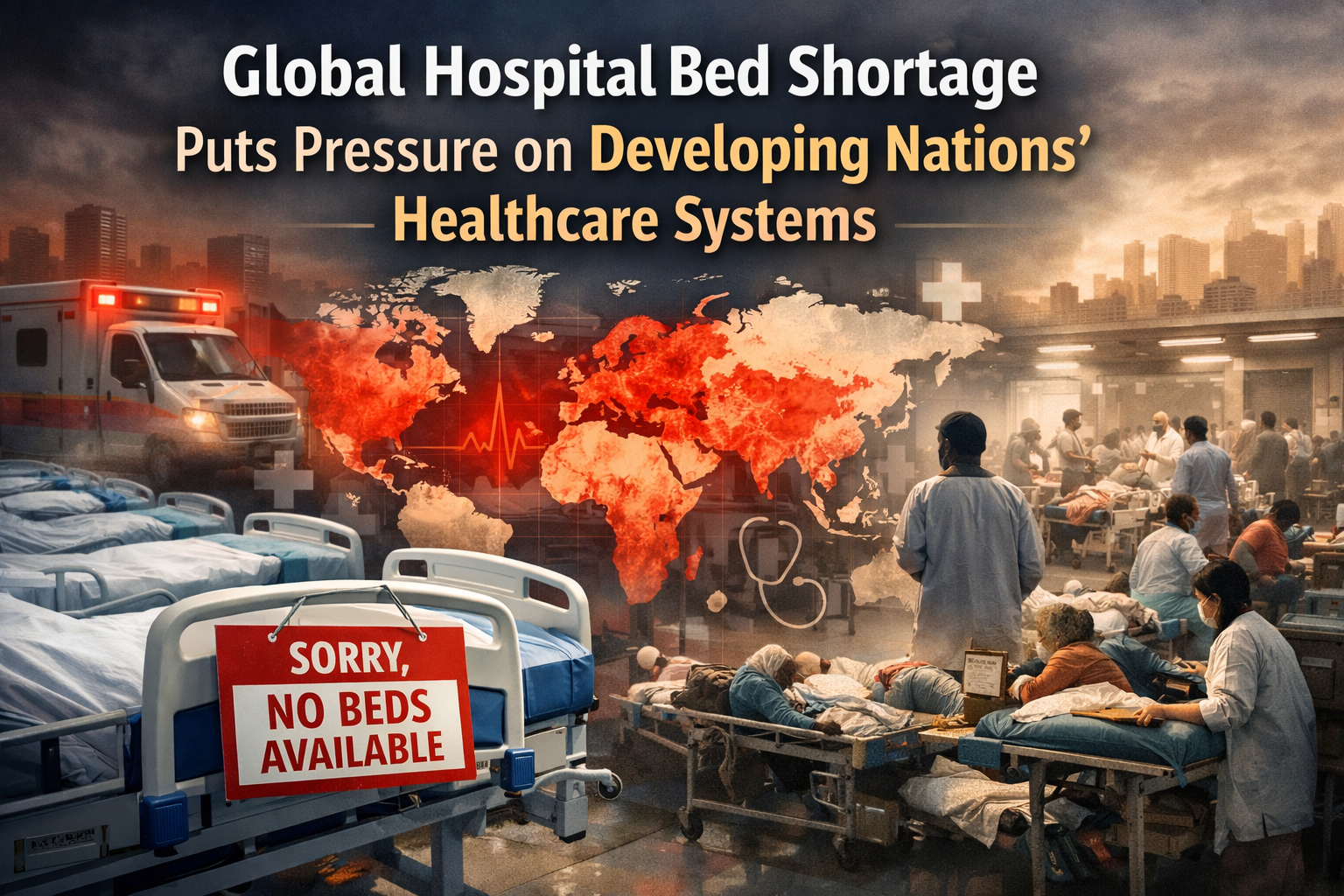
Across the developing world, a quiet crisis is unfolding inside hospitals, clinics, and makeshift medical wards. The global shortage of hospital beds — long a concern among public health experts — has reached a tipping point, placing enormous strain on healthcare systems that were already stretched thin. From sub-Saharan Africa to South Asia and parts of Latin America, patients are being turned away, treated in hallways, or forced to wait days for admission. The consequences are measured not just in discomfort, but in preventable deaths.
The scale of the disparity is staggering. High-income countries average roughly 4 to 8 hospital beds per 1,000 people. Japan and South Korea lead the world with more than 12 beds per 1,000 residents. Meanwhile, many low-income nations operate with fewer than 1 bed per 1,000 people. Countries like Bangladesh, Ethiopia, and Madagascar hover around 0.3 to 0.8 beds per 1,000, meaning that vast populations of tens or even hundreds of millions are served by a fraction of the infrastructure considered adequate in wealthier parts of the world.
This shortage is not simply a matter of physical space. A hospital bed, in public health terms, represents an entire ecosystem of care — trained nurses and physicians, medical equipment, reliable electricity, clean water, pharmaceutical supplies, and infection control protocols. When beds are scarce, it signals a broader systemic failure that touches every dimension of healthcare delivery.
The Roots of the Problem
Several interconnected factors drive the hospital bed shortage in developing nations. Decades of underinvestment in public health infrastructure sit at the heart of the issue. Many governments in low- and middle-income countries allocate less than 5 percent of their GDP to healthcare, far below the levels recommended by the World Health Organization. Competing demands from education, defense, debt servicing, and economic development frequently push healthcare spending to the margins of national budgets.
Rapid population growth compounds the challenge. Sub-Saharan Africa, home to some of the world’s fastest-growing populations, faces a particularly acute version of this problem. Even when new hospitals are built, population growth often outpaces expansion, leaving per capita bed ratios stagnant or declining. Urbanization further concentrates demand, as millions migrate to cities where hospitals are already overcrowded, while rural health facilities remain underfunded and understaffed.
The brain drain of healthcare professionals presents another obstacle. Doctors and nurses trained in developing countries frequently emigrate to wealthier nations that offer higher salaries, better working conditions, and greater professional development opportunities. This exodus leaves behind hospitals that may have physical beds but lack the personnel to staff them, rendering those beds functionally useless.
The Human Cost
The consequences of inadequate hospital bed capacity are deeply personal and often devastating. Maternal mortality rates remain alarmingly high in countries where women cannot access inpatient obstetric care during complicated deliveries. Children suffering from treatable conditions like severe malaria, pneumonia, or diarrheal diseases die when there is no bed available for rehydration therapy or intravenous antibiotics. Surgical patients face dangerous delays, and chronic disease management suffers when patients cannot be admitted for stabilization.
During epidemic outbreaks, the shortage transforms from a chronic problem into an acute emergency. The COVID-19 pandemic laid bare the vulnerability of under-resourced healthcare systems. Countries with limited intensive care capacity and few ventilators watched helplessly as case counts overwhelmed their ability to respond. India’s devastating second wave in 2021, when patients died outside hospitals gasping for oxygen, became a global symbol of what happens when demand for care catastrophically exceeds supply. While wealthier nations struggled too, developing countries bore a disproportionate burden precisely because their baseline capacity was already so low.
Beyond individual tragedies, the bed shortage perpetuates cycles of poverty. Families that cannot access timely hospital care often resort to expensive private facilities, draining savings and pushing households into debt. Lost productivity from prolonged illness or preventable disability weakens local economies and deepens inequality.
Paths Forward
Addressing the hospital bed crisis requires more than simply building more hospitals, though expanded infrastructure remains essential. Experts advocate for a multi-pronged approach that strengthens primary care, invests in community health workers, and leverages technology to reduce the burden on inpatient facilities.
Strengthening primary and preventive care can significantly reduce hospital admissions in the first place. When communities have access to vaccinations, prenatal checkups, chronic disease management, and early diagnosis, fewer patients reach the critical stage that demands hospitalization. Countries like Rwanda and Thailand have demonstrated that robust primary care networks can dramatically improve health outcomes even with limited hospital bed capacity.
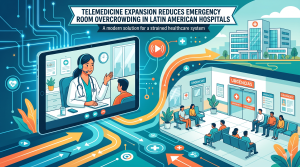
Telemedicine and mobile health platforms offer promising tools for extending care without requiring physical infrastructure. Remote consultations, digital diagnostics, and health monitoring through mobile phones can bring expert guidance to underserved areas, triaging patients more effectively and reserving hospital beds for those who truly need them.
International cooperation and financing also play a crucial role. Development banks, bilateral aid programs, and global health organizations can channel resources toward health infrastructure in the countries that need it most. Importantly, this financing must come with long-term commitments rather than short-term project cycles, ensuring that hospitals built today are maintained, staffed, and supplied for decades to come.
Retention of healthcare workers is equally vital. Governments must create incentives — competitive wages, professional development, safe working conditions, and career pathways — that encourage trained professionals to stay and serve their home communities rather than emigrate.
A Test of Global Solidarity
The global hospital bed shortage is not merely a logistical challenge; it is a moral one. In an era when medical knowledge and technological capability have never been greater, the fact that millions of people lack access to a basic hospital bed represents a profound failure of resource distribution and political will.
The pandemic taught the world that health crises do not respect borders. Variants emerging in under-resourced regions can quickly become global threats. Investing in healthcare capacity in developing nations is therefore not only an act of compassion but also a matter of collective self-interest.
The path forward demands sustained commitment, creative solutions, and genuine partnership between governments, international organizations, the private sector, and communities themselves. Every hospital bed represents a promise — that when illness strikes, help will be available. For billions of people around the world, it is a promise that remains unfulfilled. Closing that gap is one of the defining public health challenges of our time.

Be First to Comment